PPT主题:Unlock the Power of English Reading - 掌握英语阅读技巧,高效解锁文本信息
幻灯片 1: 封面页
- Unlock the Power of English Reading
- Mastering Essential Skills for Comprehension & Speed
- (图片: 一张展示各种书籍、杂志、电子屏幕上英文文字的拼贴图,或一个人在舒适环境中阅读的图片)
- 底部: Your Name / Date
幻灯片 2: 目录 / 议程
- What We'll Cover Today
- Why is Reading Important? - 为什么阅读很重要?
- The 3 Core Pillars of Reading - 阅读的三大核心支柱
- Active Reading Strategies - 主动阅读策略
- Vocabulary in Context - 语境中的词汇
- Reading for Different Purposes - 为不同目的而读
- Putting It All Together: A Practical Example - 综合运用:实战演练
- Tips for Daily Practice - 日常练习建议
- Q&A - 问答环节
幻灯片 3: Why is Reading Important? (为什么阅读很重要?)
- Why Bother? The Benefits of Reading
- 内容 (使用图标辅助):
- 🧠 Boosts Brain Power: Improves memory, focus, and critical thinking skills. (增强大脑能力:提升记忆力、注意力和批判性思维能力。)
- 🌍 Expands Knowledge & Vocabulary: Learn about new cultures, ideas, and words. (拓展知识与词汇:学习新文化、新思想和生词。)
- 🎯 Improves Other Skills: Helps your writing, grammar, and even listening. (提升其他技能:有助于你的写作、语法甚至听力。)
- 🚀 Enhances Career Opportunities: Many professional resources are in English. (增强职业机会:许多专业资源都是英文的。)
- 核心思想: Reading is not just a skill; it's a superpower. (阅读不仅是技能,更是一种超能力。)
幻灯片 4: The 3 Core Pillars of Reading (阅读的三大核心支柱)
- The Foundation of Reading
- 内容 (使用金字塔或三支柱图示):
- Pillar 1: Decoding (解码)
- What it is: Recognizing words and their sounds.
- Goal: To understand the literal meaning of the text.
- Pillar 2: Comprehension (理解)
- What it is: Understanding the meaning, main ideas, and details.
- Goal: To connect the ideas and make sense of the information.
- Pillar 3: Critical Analysis (批判性分析)
- What it is: Evaluating, questioning, and forming your own opinions.
- Goal: To go beyond understanding and engage with the text deeply.
- Pillar 1: Decoding (解码)
- (图示: 一个金字塔,底层是 Decoding,中间是 Comprehension,顶层是 Critical Analysis。)
幻灯片 5: Active Reading Strategies (主动阅读策略)
- Don't Just Read... Interact!
- Passive reading (just letting your eyes move over the words) is inefficient. Be an active reader!
- Key Strategies:
- 🔍 Preview & Predict (预览与预测):
- Look at the title, headings, pictures, and bold words.
- Ask: "What do I think this text will be about?"
- 🤔 Ask Questions (提问):
- Turn headings into questions. (e.g., "The Benefits of Exercise" -> "What are the benefits of exercise?")
- Ask "Who, What, When, Where, Why, How?"
- 📝 Annotate & Highlight (注释与划重点):
Underline key ideas, circle unknown words, write notes in the margins.
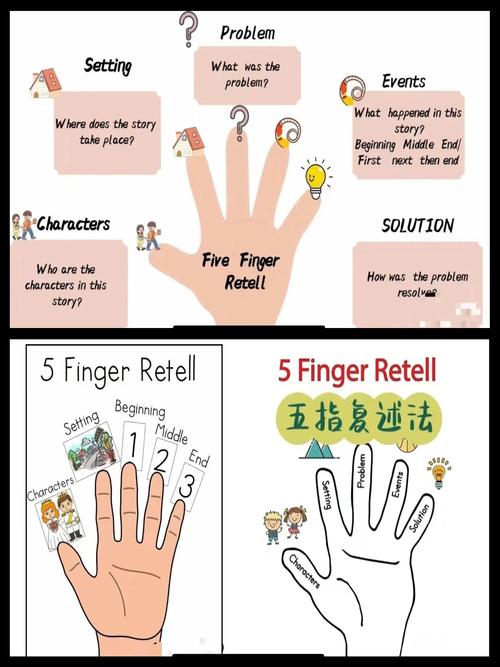
- 📌 Summarize (:
After each paragraph or section, pause and summarize the main point in your own words.
 (图片来源网络,侵删)
- 🔍 Preview & Predict (预览与预测):
幻灯片 6: Vocabulary in Context (语境中的词汇)
- Don't Panic Over New Words!
- You don't need to know every word. Use these clues:
- Context Clues (语境线索):
- Synonyms / Antonyms (同义词/反义词):
- Example: "The expensive, or costly, jewelry was displayed..." (Costly is a synonym for expensive).
- Definition or Explanation (定义或解释):
- Example: "A photosynthesis (the process by which plants make food from sunlight) is essential for life."
- Examples (举例):
- Example: "You can find many carnivores in this zoo, such as lions and tigers."
- Word Parts (词根词缀):
- Example: Knowing "un-" (not) and "happy" helps you understand "unhappy".
- Synonyms / Antonyms (同义词/反义词):
- Golden Rule: Guess the meaning and continue reading. If the word is crucial, look it up later. (黄金法则:先猜测词义,继续阅读,如果这个词至关重要,稍后再查。)
幻灯片 7: Reading for Different Purposes (为不同目的而读)
- Read with a Purpose
- How you read depends on why you are reading.
- (使用表格或分栏对比) | Purpose | Technique | Example | | :--- | :--- | :--- | | For Gist (了解大意) | Skimming (略读) | Read the first & last sentences, look for keywords. | Reading a news headline to know the topic. | | For Specific Info (查找特定信息) | Scanning (扫读) | Let your eyes move quickly over the text to find a name, date, or number. | Finding a phone number in a directory. | | For Detailed Understanding (深入理解) | Intensive Reading (精读) | Read slowly, focus on every word, understand the structure and logic. | Studying a textbook chapter for an exam. | | For Enjoyment (为了娱乐) | Extensive Reading (泛读) | Read for pleasure, don't worry about every unknown word. | Reading a novel for fun. |
幻灯片 8: Putting It All Together: A Practical Example (综合运用:实战演练)
- Let's Practice: The Active Reading Process
- Here’s how to use all these skills together.
- Step 1: Preview (预览):
- Look at the title: "The Future of Remote Work".
- Look at subheadings: "Benefits," "Challenges," "The Hybrid Model."
- Predict: It will talk about pros and cons of working from home.
- Step 2: Skim (略读):
- Read the first and last sentences of each paragraph.
- Get the gist: The article discusses both the positive and negative aspects of remote work and suggests a hybrid solution.
- Step 3: Scan (扫读):
- Question: When did the trend of remote work start to accelerate?
- Action: Scan the text for dates (e.g., "2025," "pandemic").
- Step 4: Annotate & Comprehend (注释与理解):
Read the "Benefits" section carefully. Underline "flexibility" and "cost savings." Summarize this section in one sentence.
幻灯片 9: Tips for Daily Practice (日常练习建议)
- Build the Habit, Improve the Skill
- 内容 (使用清单或图标):
- 📚 Read What You Love: Start with topics you enjoy (sports, fashion, cooking, etc.).
- ⏱️ Set a Timer: Read for 15-20 minutes every day. Consistency is key!
- 📖 Keep a Vocabulary Notebook: Write down new words and their example sentences.
- 🗣️ Talk About It: Summarize what you read to a friend or even to yourself.
- 📱 Use Technology: Listen to the audiobook while reading the e-book (great for pronunciation!).
- Be Patient & Kind to Yourself: It's a journey. Celebrate small victories!
幻灯片 10: Q&A / 总结
- Questions?
- (图片: 一张开放的问号图片,或者一个对话气泡)
- 底部 (总结语):
- Remember: Reading is a skill you can master.
- Be Active, Be Curious, and Keep Reading!
- Thank You!
给演讲者的额外建议:
- 互动性: 在讲解每个技巧时,可以现场进行一个简短的练习,给出一小段文字,让大家用 "Skimming" 的方法找出主旨。
- 视觉化: PPT中的图片和图标非常重要,能让内容更生动、易于理解。
- 举例: 每个技巧都必须配上清晰的例子,最好是大家熟悉的场景。
- 语速与节奏: 保持适中的语速,在重点内容(如三大支柱、核心策略)处可以稍作停顿,强调其重要性。
- 鼓励: 结束时要给予听众鼓励,强调坚持练习的重要性。
(图片来源网络,侵删)